
"coffee plantation care"
2000 article(s) found

The difference, distinction and award-winning situation of single bean of Bankimaji coffee
For the exchange of professional baristas, please pay attention to the difference, distinction and award-winning situation of individual beans in coffee workshop (Wechat official account cafe_style). There are mainly eight major producing areas of Ethiopian coffee: Ekempti, Limu, Illubabor, Djimma, Harrar, Teppi/Bebeka, Sidamo and Yirgacheffe. Ethiopian coffee is highly rated in Taiwan.

Introduction to the Coffee planting Environment in Honduras where the planting area belongs to the Mountain area
For coffee production, the geographical conditions of Honduras are no less than those of its neighboring coffee-producing countries such as Guatemala and Nicaragua. There are 280000 hectares of coffee plantations in Honduras, mainly small coffee plantations, most of which are less than 3.5ha. These coffee plantations account for 60% of the total coffee production in Honduras. In the coffee garden, because the planting land belongs to

DON BENJIE Flavor characteristics of Panamanian Coffee Bean Hacienda Manor
Professional coffee knowledge exchange more coffee bean information please follow the coffee workshop (Wechat official account cafe_style) Panama is located in the southern tip of Central America, bordering Colombia. If you ask your peers about your impression of this country, you will probably answer the canal. The isthmus, located in the North and South American continent, has been of great strategic value since the 16th century. In the early 19th century, Panama was politically more southward, and once

Description of Bankimaji single-product Bean Flavor introduction to the manor of the planting and development history of the producing area
There are eight major coffee producing areas in Ethiopia: Ekempti, Limu, Illubabor, Djimma, Harrar, Teppi/Bebeka, Sidamo and Yirgacheffe. Ethiopian coffee is highly rated in Taiwan, especially for Ethiopian Harrar, Sidamo and Yirgacheffe.

Introduction to the regional treatment method for describing the flavor of coffee varieties in Santa Barara Manor, Honduras
For coffee production, the geographical conditions of Honduras are no less than those of its neighboring coffee-producing countries such as Guatemala and Nicaragua. There are 280000 hectares of coffee plantations in Honduras, mainly small coffee plantations, most of which are less than 3.5ha. These coffee plantations account for 60% of the total coffee production in Honduras. In the coffee garden, because the planting land belongs to

Taste Unique Ethiopian coffee plantation flavor characteristics Introduction
In Ethiopia, people take pride in coffee and see it as a gift to the world. To this day, many Ethiopian families still maintain the ritual of daily coffee celebrations, with the hostess of each family inviting family and neighbors for coffee more than once a day. In their view, this is a way to show friendship and respect. In Ethiopia, this amazing land, it's everywhere.

Introduction to the taste of variety treatment in the production area of coffee beans in Honduras
For coffee production, the geographical conditions of Honduras are no less than those of its neighboring coffee-producing countries such as Guatemala and Nicaragua. There are 280000 hectares of coffee plantations in Honduras, mainly small coffee plantations, most of which are less than 3.5ha. These coffee plantations account for 60% of the total coffee production in Honduras. The granule shape of coffee beans in Honduras

Colombian Coffee Flavor with endless aftertaste introduction to the characteristics of Fine Coffee beans in Manor area
Coincidentally, there was a Colombian in his forties, Charles, who had the same destination as mine. Charles introduced him as the owner of an Andean plantation that supplies coffee beans to the world's famous coffee companies. it also includes the famous BELMOCA Bamoka coffee. Living up to Charles' kind invitation, we decided to go to his, too.

Ethiopian (mocha) coffee
The geographical environment of Ethiopia is very suitable for coffee growth. Mocha coffee is mainly grown in the southern highlands between 1100 and 2300 meters above sea level. The main coffee producing areas are Harar, Limu, Djimma, Sidamo, Kaffa, Yergacheffe and Wellega.

Costa Rican Tarazu Shepherd Boy Manor Costa Rican Coffee characteristics Costa Rican boutique
Professional coffee knowledge exchange more coffee bean information please follow the coffee workshop (Wechat official account cafe_style) Costa Rica Tarrazu La Pastora SHB Costa Rica Tarazhu Shepherd Boy Manor SHB English name Costa Rica La Pastora Costa Rica Tara Pearl producer Shepherd Boy processing Plant graded European very hard beans (SHB)

Flavor Grinding scale of Coffee beans in Honduras introduction of taste manor production area by variety treatment
Flavor grinding scale of coffee beans in Honduras the geographical conditions of Honduras are no less than those of neighboring coffee-producing countries such as Guatemala and Nicaragua. There are 280000 hectares of coffee plantations in Honduras, mainly small coffee plantations, most of which are less than 3.5ha. These coffee plantations account for all Honduran coffee.

Ethiopian coffee plantation flavor taste introduction Ethiopian coffee characteristics
35% of coffee is courtyard coffee. In this coffee garden, the planting is three-dimensional distribution. Coffee sits in the lower layers, in the shade of other crops, to get the right environment to grow. Fertilizer is mainly deciduous, withered grass and animal manure. 5% of coffee is plantation coffee. This is a modern way of growing coffee. Coffee is grown in forests, but new varieties are used and mixed with other trees.

Coffee growing areas and major producing areas in Tanzania
Coffee is one of the main cash crops in Tanzania, ranking fourth after cotton, tobacco and cashew nuts, mainly sold to Italy, Japan and the United States. Coffee exports play an important role in the national economy of Tanzania. Tanzania's main coffee producing area is located at the foot of Mount Kilimanjaro, which is rich in volcanic soil.

Introduction to the flavor and taste of coffee manor in Honduras the characteristics of Honduran coffee in Santa Barara manor
For coffee production, the geographical conditions of Honduras are no less than those of its neighboring coffee-producing countries such as Guatemala and Nicaragua. There are 280000 hectares of coffee plantations in Honduras, mainly small coffee plantations, most of which are less than 3.5ha. These coffee plantations account for 60% of the total coffee production in Honduras. In the coffee garden, because the planting land belongs to
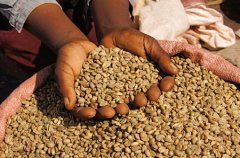
Ethiopian boutique coffee introduces Ethiopian boutique coffee taste Ethiopian coffee
Ethiopia is one of the major producers of Arabica coffee in Africa, producing the best Arabian coffee in the world. It is said that coffee was first discovered by shepherds in Essekafa, and the name of coffee evolved from Kafa, so Essex is still the hometown of coffee. The geographical environment of coffee production and processing is very suitable for coffee growth. Coffee is mainly cultivated.

The overall balanced taste, sour and bitter are not strong in the Honduran coffee region of San Juan Theto Sanba.
For coffee production, the geographical conditions of Honduras are no less than those of its neighboring coffee-producing countries such as Guatemala and Nicaragua. There are 280000 hectares of coffee plantations in Honduras, mainly small coffee plantations, most of which are less than 3.5ha. These coffee plantations account for 60% of the total coffee production in Honduras. In the coffee garden, because the planting land belongs to

What are the common varieties of coffee in Angola? How should I drink Angolan coffee?
Professional coffee knowledge exchange more information about coffee beans Please follow the coffee workshop (Wechat official account cafe_style) Coffee is one of the largest agricultural products in Angola. It was not until 1973 that Angola was the third largest coffee producer controlled by Portugal. During the Eurico de Azevedo Noronha presidency of the Institute of Angola, Angolan Coffee went in 1973.

What is the difference between Arabica and Robusta? Robusta began to be valued by people.
The long history of coffee attracts many people. For the third wave of coffee, enthusiasts want to know every step of its creation: farmers who manage plantations, workers who harvest and process coffee, and roasters looking for perfect roasting features. From the beginning of the seed in time, it becomes a tree, produces beautiful white flowers and smells of jasmine. Then the fruit turns into a cherry, and

Where can I buy African Bean Front Street Cafe for export and quality of Ethiopian coffee?
Ethiopia is one of the major producers of Arabica coffee in Africa, producing the best Arabian coffee in the world. It is said that coffee was first discovered by shepherds in Essekafa, and the name of coffee evolved from Kafa, so Essex is still the hometown of coffee. The geographical environment of coffee production and processing is very suitable for coffee growth. Coffee is mainly cultivated.

Flavor description of Honduran Coffee beans introduction to the region of taste production of grinding scale varieties
For coffee production, the geographical conditions of Honduras are no less than those of neighboring coffee-producing countries such as Guatemala and Nicaragua. There are 280000 hectares of coffee plantations in Honduras, mainly small coffee plantations, most of which are less than 3.5ha. These coffee plantations account for the whole Hongdu.